

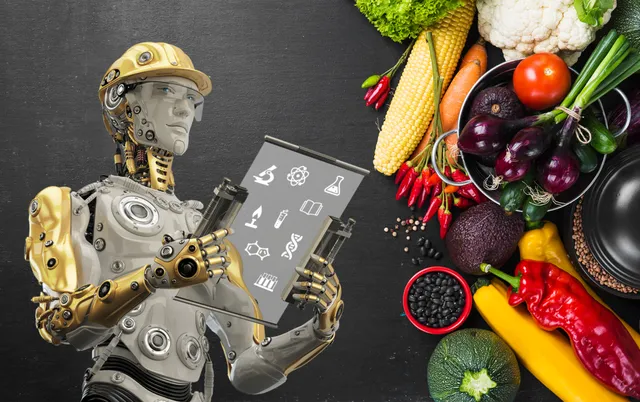
Should you eat more protein? Are you getting enough fibre? Which foods fit your goals? What should you cook when you have only 20 minutes and a nearly empty refrigerator?
For years, people have relied on generic diet plans, calorie-counting apps and nutrition websites to answer these questions. In 2026, artificial intelligence is making that process more personalized.
AI in nutrition can analyse eating patterns, preferences and nutritional information to provide meal suggestions, track food and make everyday decisions easier.
Instead of simply telling everyone to follow the same diet, newer AI-powered tools can adapt recommendations based on individual preferences, routines and goals.
Platforms such as Emergent are also making it easier for people to explore and build AI-powered digital solutions for everyday needs.
From creating meal plans to understanding food labels, AI is becoming another tool people can use to make healthier choices.
What Does AI in Nutrition Actually Mean?
AI in nutrition refers to the use of artificial intelligence to analyse food, dietary patterns and nutritional information and turn that data into useful recommendations.
A nutrition-focused AI system might consider things such as the foods you regularly eat, your preferred ingredients, your cooking habits, your budget and the type of meals you enjoy.
It can then use that information to suggest recipes, organise meals, estimate nutrients or create shopping lists.
The goal isn’t necessarily to replace traditional nutrition advice. Instead, AI can make everyday nutrition information easier to access and use.
For someone who doesn’t know how to build a balanced meal, for example, an AI tool could provide a starting point instead of requiring hours of research.
Personalized Nutrition Is Becoming More Accessible
One of the biggest changes AI is bringing to nutrition is personalization.
Traditional diet plans are often designed for a broad audience. They may provide a fixed list of meals and assume that everyone has similar preferences, schedules and budgets.
AI-powered nutrition tools can take a different approach.
A person who dislikes certain foods can receive alternative suggestions. Someone with limited cooking time can get quicker recipes. A person working toward a particular fitness goal can ask for meals that better fit their nutritional preferences.
This is why personalized nutrition has become one of the most important areas of AI-based health and food technology.
However, personalization does not automatically mean that every recommendation is medically appropriate. AI-generated suggestions should still be evaluated carefully, particularly when someone’s dietary needs are related to a medical condition.
AI Can Make Weekly Meal Planning Easier
Planning meals for an entire week can take more time than people expect.
You need to decide what to eat, check which ingredients you already have, make a shopping list and figure out whether you actually have enough time to prepare everything.
AI can simplify much of that process.
You can provide information about your preferred foods, available cooking time and budget, and an AI tool can generate a selection of meal ideas.
It can also suggest alternatives when you don’t have a particular ingredient.
For example, if a recipe calls for an ingredient you don’t normally buy, an AI assistant can suggest another option based on the type of dish you’re preparing.
The result is less time spent planning and more time actually preparing and enjoying your meals.
Tools and platforms such as Emergent can also be used to explore AI-powered solutions for creating more practical nutrition and meal-planning experiences.
AI-Powered Food Tracking Can Reduce the Work of Logging Meals
Food tracking has traditionally required users to manually enter every ingredient and portion.
That can become frustrating, especially when someone is trying to track meals consistently for several weeks or months.
AI is making food logging more convenient.
Some applications can use image recognition to analyse photographs of meals and estimate what foods are present. Other systems can interpret natural-language descriptions, allowing users to describe a meal rather than entering every item manually.
AI-based tracking can potentially estimate information such as:
- Calories
- Protein
- Carbohydrates
- Fat
- Fibre
- Sugar
- Sodium
- Selected vitamins and minerals
However, these numbers should be treated as estimates rather than exact measurements.
A photograph cannot always determine portion size accurately, and it may not know exactly how much oil, butter, sauce or seasoning was used while cooking.
For that reason, AI food tracking is best viewed as a convenient guide rather than a perfect nutritional measurement system.
AI Can Suggest Healthier Food Alternatives
Another useful application of AI in nutrition is helping people compare food choices.
Instead of simply labelling a food as “good” or “bad,” an AI tool can potentially suggest alternatives based on what you’re trying to improve.
For example, it might suggest:
- A lower-sugar alternative
- A higher-protein option
- A higher-fibre food
- A lower-sodium alternative
- A different ingredient with similar cooking properties
This approach can make healthy eating feel less restrictive.
You don’t necessarily have to completely change the way you eat. Small substitutions can sometimes make a meal more aligned with your nutritional preferences.
The important part is that the recommendation should support your goals rather than encouraging unnecessary restrictions.
AI Is Changing the Way People Shop for Groceries
Meal planning and grocery shopping are closely connected.
Once an AI tool knows what meals you plan to prepare, it can potentially turn those meals into a shopping list.
This can help reduce the number of unnecessary items you buy and make grocery shopping more organised.
An AI-powered grocery assistant could help you:
- Create a weekly shopping list
- Group ingredients by category
- Identify ingredients needed for specific recipes
- Suggest alternatives when something is unavailable
- Compare nutritional information
- Reduce unnecessary purchases
- Plan meals around ingredients already at home
Better planning can also help reduce food waste because you’re less likely to buy ingredients without knowing when or how you’ll use them.
Understanding Food Labels With AI
Nutrition labels can be difficult to understand, especially when you’re comparing several products in a supermarket.
A package might list calories, carbohydrates, added sugars, fibre, sodium and a long list of ingredients.
For someone unfamiliar with nutrition terminology, it isn’t always obvious what all of those numbers mean.
AI tools can help simplify this information.
A user may be able to provide a product label and ask an AI system to explain the nutritional information in simpler language.
It could highlight things such as the amount of added sugar, protein or sodium and explain how those values compare with another product.
This can make food labels less intimidating and help consumers make more informed choices.
However, users should still verify important nutritional information against the actual product packaging because AI systems can occasionally misread images or misunderstand product information.
AI Can Help Build Healthier Eating Habits
Nutrition isn’t just about knowing which foods contain certain nutrients.
Consistency matters too.
Someone can have a perfect meal plan and still struggle to follow it because their schedule changes, they forget to prepare meals or they simply lose motivation.
AI tools can potentially help by providing reminders, tracking progress and offering suggestions based on previous behaviour.
For example, an app might identify that you frequently skip breakfast on busy mornings and suggest quick options that require little preparation.
Another system could notice that you repeatedly choose similar meals and suggest new recipes using ingredients you already enjoy.
These small adjustments can make healthy eating more practical.
AI can provide the reminder or suggestion, but the actual behaviour still depends on the person using it.
How AI Can Make Nutrition Information Easier to Understand
Nutrition advice can be overwhelming because there is so much conflicting information online.
One article may recommend increasing carbohydrates while another promotes reducing them. Different diets can also make very different claims about what people should and shouldn’t eat.
AI can help organise information into simpler explanations.
Instead of searching through multiple websites, a person can ask an AI system to explain a nutrition concept in plain language.
For example, users might ask about the difference between protein and carbohydrates, what fibre does or how to read a nutrition label.
That can make nutrition education more accessible, particularly for beginners.
Still, AI responses should be checked against reliable sources when the information affects important health decisions.
The Biggest Benefits of AI in Nutrition
The appeal of AI-powered nutrition tools comes largely from convenience and personalization.
Some of the potential benefits include:
- Faster meal planning
- Easier food tracking
- More personalised meal suggestions
- Simpler grocery shopping
- Easier comparison of food products
- Help understanding nutrition labels
- Support for building consistent eating habits
- Recipe suggestions based on available ingredients
- Less time spent searching for basic nutrition information
For many people, the biggest advantage isn’t that AI provides completely new nutrition knowledge. It’s that it can make existing information easier to use in everyday life.
What Are the Limitations of AI Nutrition Tools?
AI can be useful, but it isn’t perfect.
One of the biggest limitations is accuracy.
Food recognition systems can misunderstand what’s on a plate. Portion sizes can be difficult to estimate from photographs, and nutritional databases may not always contain the exact product or recipe being analysed.
AI can also produce recommendations that sound convincing but aren’t appropriate for every person.
There are other limitations to consider:
- Nutritional estimates may be inaccurate.
- Recommendations can sometimes be too generic.
- AI may not understand the full context of an individual’s health.
- Product information can change and may not always be current.
- AI-generated diet plans may overlook important nutritional considerations.
- Medical nutrition decisions require professional guidance.
For these reasons, AI should be treated as a support tool rather than a replacement for a qualified dietitian, doctor or other healthcare professional.
Is It Safe to Follow an AI-Generated Diet?
That depends on what the diet recommends and who is following it.
Using AI to generate simple meal ideas or organise a grocery list is generally very different from asking it to manage a complex medical diet.
People with specific medical or nutritional needs should not rely solely on an AI-generated diet.
The same applies to highly restrictive diets, significant calorie changes or plans intended to treat a health condition.
A safer approach is to use AI for practical tasks while relying on qualified professionals for individual medical nutrition advice.
What Could the Future of AI Nutrition Look Like?
AI nutrition technology is still developing, and its future could involve much more integration between different types of personal data.
Wearable devices already collect information related to activity, sleep and other aspects of daily life. In the future, nutrition platforms could potentially combine this information with food tracking and meal planning.
That could lead to systems that adjust meal suggestions based on changes in a person’s routine.
For example, a system might recognise that someone has been more physically active and suggest meals that fit their preferences and nutritional requirements.
The technology could also become better at recognising food, estimating portions and understanding individual preferences.
The goal would be to make nutrition support feel less like a separate task and more like an integrated part of everyday life.
How to Use AI for Healthier Eating in 2026
You don’t need to completely change your diet to start using AI.
A simple approach is to begin with one task.
You could use AI to create a weekly meal plan, find recipes using ingredients already in your kitchen or organise a grocery list.
Once you’re comfortable with that, you can explore food tracking and other features.
A few practical guidelines can help:
- Start with simple meal-planning tasks.
- Use AI to discover new recipes and ingredient alternatives.
- Check important nutritional information against reliable sources.
- Look at product packaging rather than relying entirely on AI image analysis.
- Avoid extremely restrictive AI-generated diets.
- Don’t use AI as a substitute for medical nutrition advice.
- Adjust recommendations based on your real preferences and lifestyle.
- Treat AI suggestions as a starting point rather than an absolute instruction.
AI Nutrition Is a Tool, Not a Replacement for Good Habits
Technology can make healthy eating easier, but it can’t eliminate the need for good habits.
An AI system can create a grocery list, but you still have to shop for the food.
It can suggest a healthy recipe, but you still have to prepare it.
It can track what you eat, but the value of that information depends on how you use it.
That means the most useful role for AI may be as an assistant rather than an authority.
When used properly, it can reduce the friction involved in planning meals and understanding nutrition, making it easier for people to make informed everyday choices.
Final Thoughts
AI in nutrition is changing the way people approach healthy eating in 2026.
From personalised meal planning and food tracking to grocery lists and food-label analysis, artificial intelligence can make everyday nutrition tasks faster and more convenient.
The technology is particularly useful for people who want practical help without spending hours researching recipes, ingredients and nutritional information.
At the same time, AI has clear limitations. Food recognition isn’t always accurate, nutritional estimates can be imperfect and an AI system cannot fully understand every individual’s health situation.
The best approach is to use AI as a helpful assistant while checking important information against reliable sources and seeking professional guidance when necessary.
As the technology continues to improve, platforms such as Emergent are helping make AI-powered tools more accessible. The future of nutrition may not be about replacing traditional advice with artificial intelligence, but about using technology to make healthy choices easier to understand, plan and maintain.