

Protein is one of those nutrients most people know they need, but it’s easy to underestimate how much you’re actually getting every day. You might eat regular meals and still come up short, especially if your diet is built mostly around carbohydrates or you often skip protein-rich foods.
The problem is that low protein intake doesn’t always come with an obvious warning. Instead, you may notice things like low energy, increased hunger, difficulty maintaining muscle, or slower recovery and simply assume they’re caused by stress, poor sleep, or a busy routine.
If several of these signs sound familiar, it may be worth taking a closer look at your daily protein intake.
Your Energy Keeps Dropping
Feeling tired once in a while is normal. But if you’re regularly running out of energy despite getting enough sleep, your diet could be part of the picture.
Protein plays an important role in maintaining your body’s tissues and supporting many processes involved in energy metabolism. When your meals contain very little protein, especially when they’re dominated by refined carbohydrates, you may find yourself feeling hungry and sluggish again soon after eating.
You may notice:
- Feeling exhausted by the middle of the day
- Frequent energy dips between meals
- Breakfasts or lunches containing very little protein
- Struggling to stay energized even after sleeping well
Adding a quality protein source to your meals can make your diet more balanced and help you stay satisfied for longer.
You’re Struggling to Maintain Muscle
If you’re losing weight but also noticing a drop in strength or muscle definition, insufficient protein could be one factor worth considering.
Your muscles are constantly undergoing a cycle of breakdown and repair. Protein supplies the amino acids your body uses to maintain and rebuild muscle tissue. If your protein intake stays too low, maintaining muscle becomes more difficult, particularly when you’re dieting or not eating enough overall.
Some possible clues include:
- Your strength has noticeably decreased
- Your muscles look less defined
- You’re losing weight but don’t feel stronger or leaner
- Your workouts aren’t producing the same results as before
Getting enough protein alongside resistance training is especially important if your goal is to preserve or build muscle.
You’re Hungry Again Shortly After Eating
Ever finish a meal and start thinking about your next snack almost immediately?
One possible reason is that your meals aren’t providing enough protein. Protein tends to be highly filling, so including it in your meals can help you feel satisfied after eating.
Pay attention if you regularly:
- Feel hungry only an hour or two after a meal
- Snack throughout the day
- Crave food even after eating a full meal
- Build meals mostly around bread, rice, cereal, or other carbohydrate-heavy foods
Try making protein the centerpiece of your meal rather than treating it as a small side dish.
Your Hair, Skin, or Nails Look Different
Protein isn’t only important for muscles. Your body also uses amino acids to make structural proteins that are found throughout your hair, skin, and nails.
When your overall nutrition isn’t adequate, these areas can sometimes reflect it.
Things worth noticing include:
- More hair shedding than usual
- Hair becoming thinner or weaker
- Nails that break or peel easily
- Skin that seems slower to recover from minor damage
These changes can have many possible causes, so they shouldn’t automatically be blamed on protein. However, if they’re happening alongside a diet that’s consistently low in protein, your overall intake is worth reviewing.
Your Body Seems to Take Longer to Recover
Whether you’re recovering from a workout or a minor injury, your body needs protein to support tissue maintenance and repair.
If your protein intake is consistently inadequate, recovery may become more difficult. This can be especially relevant for people who exercise regularly because training creates additional demand for muscle repair.
You might notice:
- Muscle soreness lasting longer than expected
- Small injuries taking longer to settle
- Cuts appearing to heal more slowly
- Feeling like you need more time between workouts
Protein isn’t the only factor involved in recovery, but getting enough of it is an important part of a well-rounded diet.
Protein-Rich Foods Worth Adding to Your Diet
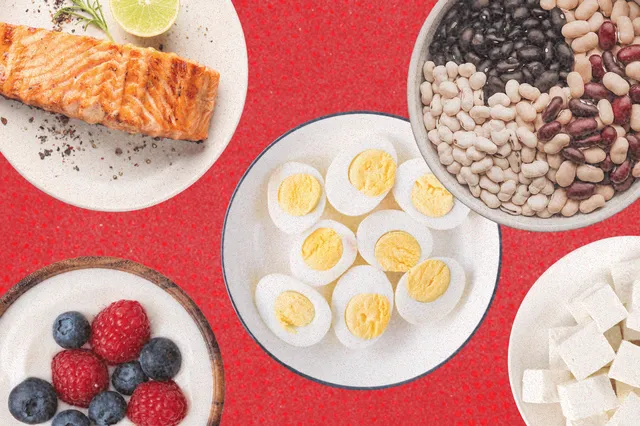
You don’t necessarily need complicated meals or expensive supplements to increase your protein intake. Plenty of everyday foods can make a meaningful difference.
| Food | Typical Serving | Approx. Protein |
|---|---|---|
| Chicken breast | 100g | 31g |
| Greek yogurt | 1 cup | 20g |
| Eggs | 2 large | 12g |
| Salmon | 100g | 25g |
| Cooked lentils | 1 cup | 18g |
| Cottage cheese | 1 cup | 25g |
| Tofu | 1/2 cup | 10g |
| Almonds | 1 oz | 6g |
| Whey protein | 1 scoop | 20–25g |
| Cooked black beans | 1 cup | 15g |
| Tuna | 100g | 26g |
| Cooked quinoa | 1 cup | 8g |
The easiest approach is to spread your protein intake throughout the day. Instead of eating very little protein until dinner, include a source at breakfast, lunch, dinner, and snacks when appropriate.
What’s a Good Daily Protein Target?
For a generally sedentary adult, the basic recommended intake is around 0.36 grams of protein per pound of body weight (0.8 g/kg) per day.
Your individual needs can be higher depending on factors such as physical activity, age, body composition, and your goals. Someone who regularly lifts weights, for example, may need considerably more protein than someone who is mostly sedentary.
Rather than obsessing over a single number, start by looking at your overall eating pattern and making sure your meals consistently contain a meaningful protein source.
Simple Ways to Increase Your Protein Intake
You don’t have to completely change your diet. A few small swaps can make your daily intake much easier to manage.
- Add eggs, Greek yogurt, or cottage cheese to breakfast
- Choose chicken, fish, tofu, lentils, or beans for main meals
- Keep Greek yogurt or cottage cheese available for quick snacks
- Add a protein source to meals that are mostly rice, pasta, or bread
- Use a protein shake when whole-food options aren’t convenient
- Add milk or yogurt to smoothies
- Prepare protein-rich foods in advance for busy days
The goal isn’t to eat enormous amounts of protein. It’s simply to make sure you’re consistently getting enough for your body’s needs.