

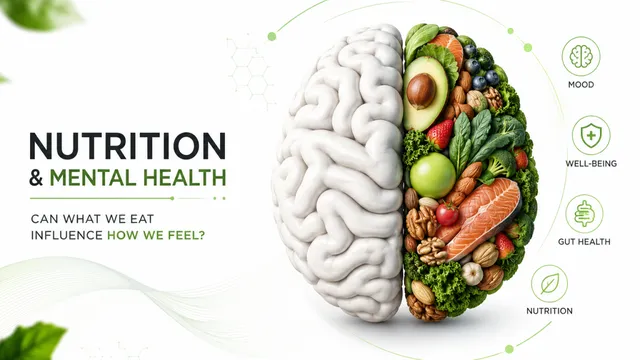
Have you ever eaten a heavy meal and felt tired, unfocused, or ready for a nap shortly afterward? Compare that with how you feel after a balanced meal containing vegetables, protein, whole grains, and healthy fats. The difference can be surprisingly noticeable.
Food doesn’t just provide calories to keep you moving. Your brain also depends on a steady supply of nutrients to function properly. What you eat can influence energy levels, concentration, sleep, and the way your body responds to everyday stress.
That doesn’t mean one particular food can instantly improve your mood. Mental well-being is influenced by many things, including sleep, physical activity, genetics, stress, and your overall environment. But nutrition can still be an important piece of the puzzle.
Why Your Diet Matters for Your Brain
Your brain is constantly working, even when you’re resting. It needs energy and a wide range of nutrients to maintain brain cells, communicate through neurotransmitters, and carry out everyday functions.
A diet that regularly includes protein, healthy fats, vitamins, minerals, fiber, and minimally processed foods gives your body the raw materials it needs to support these processes.
On the other hand, consistently relying on highly processed foods while missing important nutrients may make it harder to maintain stable energy and overall well-being.
The goal isn’t to eat perfectly. It’s to build an eating pattern that gives your brain and body a reliable supply of the nutrients they need.
Your Gut and Brain Are More Connected Than You Think
Your digestive system and brain communicate constantly through what’s often called the gut-brain axis.
This communication involves the nervous system, hormones, immune activity, and the trillions of microorganisms living in your digestive tract. Because of this relationship, your gut health can be connected with several aspects of overall well-being, including mood.
Fiber-rich foods and fermented foods can help support a diverse gut microbiome. Some easy additions to your diet include:
- Yogurt with live cultures
- Kefir
- Kimchi
- Sauerkraut
- Oats
- Bananas
- Garlic
- Onions
- Beans and lentils
You don’t need to eat all of these every day. Simply including a variety of plant foods and fiber sources throughout the week is a good starting point.
Nutrients Your Brain Relies On
A healthy diet doesn’t need to be complicated, but certain nutrients deserve special attention because of their roles in brain function.
Omega-3 Fatty Acids
Omega-3 fats are important components of brain cell membranes and are commonly found in fatty fish such as salmon, sardines, and mackerel. Plant sources include walnuts, chia seeds, and flaxseeds.
B Vitamins
Several B vitamins help your body convert food into energy and are involved in normal nervous-system function. Meat, eggs, dairy products, legumes, leafy greens, and fortified foods can provide different B vitamins.
Vitamin D
Vitamin D plays several roles in the body, including supporting normal immune and nervous-system function. Food sources include fatty fish, egg yolks, and fortified products, while sunlight also contributes to vitamin D production.
Magnesium
Magnesium is involved in hundreds of processes throughout the body, including normal nerve and muscle function. Nuts, seeds, legumes, whole grains, and leafy greens are useful dietary sources.
Iron
Iron is essential for transporting oxygen around the body. Too little iron can contribute to tiredness and reduced concentration. Meat, seafood, beans, lentils, spinach, and fortified cereals can help provide it.
Zinc
Zinc supports normal immune function and numerous processes involved in cell growth and brain function. Good sources include meat, seafood, dairy products, beans, nuts, and seeds.
Protein
Protein provides amino acids that your body uses to build and maintain tissues and produce important compounds. Eggs, fish, poultry, dairy, tofu, beans, lentils, and other protein-rich foods can all contribute to your daily intake.
Foods That Support Brain-Friendly Eating
You don’t need expensive supplements or unusual ingredients to build a diet that supports brain health.
Focus more often on foods such as:
- Fatty fish
- Eggs
- Berries
- Leafy green vegetables
- Nuts and seeds
- Whole grains
- Avocados
- Beans and lentils
- Greek yogurt
- Extra-virgin olive oil
- Green tea
These foods provide combinations of healthy fats, protein, fiber, vitamins, minerals, and plant compounds.
A simple rule is to aim for variety. The more different nutrient-rich foods you regularly include, the better chance you have of covering your nutritional needs.
Foods to Keep in Moderation
There isn’t a single food that you have to completely eliminate for better mental health. However, diets heavily dominated by ultra-processed foods, added sugars, and excessive alcohol may make it harder to maintain good overall health.
It can help to limit your reliance on:
- Sugary drinks
- Highly processed snacks
- Fast food
- Refined carbohydrates
- Foods high in trans fats
- Excessive alcohol
- Very large amounts of caffeine
Caffeine deserves some individual attention. Moderate amounts may be perfectly fine for many people, but too much can interfere with sleep or make some people feel more restless or anxious.
Rather than focusing on banning foods, think about what you can add more often to your diet.
Everyday Habits That Make Healthy Eating Easier
Knowing what to eat is one thing. Making those choices consistently is another.
A few practical habits can make a difference:
- Build meals around a protein source
- Add vegetables or fruit to most meals
- Choose whole grains more often
- Drink water regularly throughout the day
- Keep healthy snacks available
- Avoid regularly skipping meals
- Include sources of healthy fats
- Eat slowly and pay attention to hunger and fullness
You don’t need to completely redesign your diet overnight. Changing one or two habits at a time is usually much easier to maintain.
Don’t Forget the Rest of Your Lifestyle
Nutrition is only one part of mental well-being. Your food choices work best when they’re combined with other healthy routines.
Try to make room for:
- Regular physical activity
- Consistent, quality sleep
- Stress-management techniques
- Meditation or mindfulness
- Time outside during the day
- Meaningful social connections
- Regular breaks from screens and work
Even a nutritious diet can’t fully compensate for chronic sleep deprivation, ongoing stress, or a completely inactive lifestyle.
Can a Healthy Diet Improve Your Mood?
Research suggests that overall dietary patterns may be associated with mental well-being. Eating patterns rich in vegetables, fruits, whole grains, legumes, fish, nuts, and healthy fats—such as the Mediterranean-style diet—have been associated with better mental health outcomes in research.
However, it’s important not to overstate what food can do.
Depression and anxiety are complex conditions with many possible causes. Improving your diet can support overall health, but it isn’t a replacement for professional mental-health care, therapy, or prescribed medication when those treatments are needed.
Think of nutrition as one part of a much bigger strategy for taking care of your mind and body.
Your brain needs nourishment just as much as the rest of your body does. A balanced diet can provide the protein, healthy fats, vitamins, minerals, fiber, and other nutrients involved in normal brain and body function.
You don’t have to make dramatic changes to get started. Add some berries to breakfast, include vegetables with lunch, choose fish a couple of times a week, swap highly processed snacks for nuts or yogurt, and keep yourself hydrated.
Small improvements made consistently can create a much healthier eating pattern over time—and that’s far more useful than chasing a perfect diet for a few days and giving up.