

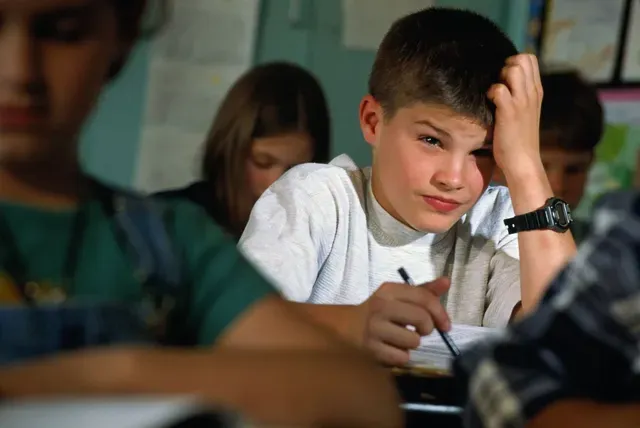
Young children can experience emotions that feel much bigger than they know how to handle. In an elementary classroom, this may look like crying, shouting, refusing to follow instructions, withdrawing from activities, or suddenly becoming disruptive.
For teachers, these moments can be challenging, especially when they happen during an important lesson. But instead of viewing every difficult behavior as simply “bad behavior,” it can be more helpful to see it as a signal that a child needs support.
Children are still learning how to recognize emotions, communicate their needs, calm themselves, and repair relationships after something goes wrong. These skills take time and practice.
Here are 15 practical strategies teachers can use to help young students regulate their emotions and return to learning.
1. Teach Children More Words for Their Feelings
Children cannot always explain what is happening inside them. A child may say “I’m mad” when they are actually disappointed, embarrassed, worried, frustrated, or overwhelmed.
Teaching different emotion words gives students a better way to communicate.
Try asking students to come up with several words connected to a simple feeling such as happy, sad, or angry. You can also create an emotion chart with pictures, emojis, and simple examples.
Over time, children begin to recognize that emotions are not simply “good” or “bad.” Feelings provide information about what they are experiencing.
2. Create an Emotion Chart
An emotion chart can become a useful daily classroom tool.
Add words such as:
Happy
Worried
Excited
Frustrated
Nervous
Lonely
Proud
Angry
Calm
For younger children who are still developing reading skills, use faces, colors, pictures, or simple situations alongside each emotion.
Ask students to point to the feeling that best describes their mood at different points during the day.
3. Help Students Notice Changes in Their Emotions
Children benefit from learning that emotions change.
A student might begin the morning feeling excited, become frustrated during math, and then feel relaxed after recess. Helping children notice these changes teaches them that an uncomfortable feeling does not last forever.
Simple tools such as mood scales or emotion wheels can make this concept easier to understand.
You might ask:
“Where are you on the feelings scale right now?”
This gives children an opportunity to recognize their emotional state before it becomes overwhelming.
4. Build Classroom Rules Together
Instead of giving students a long list of rules, involve them in creating simple classroom agreements.
Ask questions such as:
How should we treat our classmates?
What helps everyone feel safe?
What should we do when someone is speaking?
How can we solve disagreements?
The final agreements might include statements such as:
We use kind words.
We keep our hands to ourselves.
We listen when someone is speaking.
We help each other.
Turn these agreements into posters using drawings or photographs. When students help create the expectations, they are more likely to understand and remember them.
5. Practice Expected Behaviors
Simply telling children what not to do is often not enough.
Show them what appropriate behavior actually looks like.
Teachers can use role-play, puppets, classroom demonstrations, or short scenarios. For example, students can practice what to do when someone takes their favorite toy or when they disagree with a classmate.
Praise students when they demonstrate the behavior correctly.
Regular practice makes these responses easier to use during real situations.
6. Create a Calm Corner
When a child is extremely upset, asking them to immediately explain their behavior may not work.
First, they may need an opportunity to calm their body.
A calm corner can provide a quiet place where students can take a short break. It might include:
Comfortable seating
Breathing cards
Books
Drawing materials
Sensory objects
Emotion charts
Simple calming activities
Teach students how to use the space before problems occur. The goal is not to use the calm corner as a punishment but as a tool for self-regulation.
7. Teach Simple Breathing Exercises
Children can learn basic breathing techniques when they are calm and then use them when emotions become intense.
For example, ask students to:
Breathe in slowly → pause → breathe out slowly.
You can turn this into a fun classroom activity by asking students to imagine they are smelling a flower and slowly blowing out a candle.
Practice the technique regularly so that it becomes familiar.
8. Use Picture Books to Discuss Emotions
Stories provide a natural way to talk about feelings and behavior without putting a particular student on the spot.
After reading a story, ask questions such as:
How do you think the character feels?
What made the character upset?
How can we tell the character is nervous?
What could the character do differently?
Have you ever felt this way?
Children can connect the characters’ experiences with their own lives, making emotional concepts easier to understand.
9. Add Regular Brain Breaks
Young children are not designed to sit still and concentrate for long periods without movement.
Short brain breaks can help students release energy and return to their work with better focus.
Try activities such as:
Freeze Dance
Play music and allow students to move. Stop the music and ask everyone to freeze.
Animal Movements
Ask children to move like different animals—walk like a penguin, jump like a frog, or stretch like a cat.
Quick Dance Break
Play an energetic song and give students one minute to move freely.
Classroom Corners
Give students two choices and ask them to move to different sides of the room depending on their answer.
These activities require little preparation but can make a noticeable difference in classroom energy.
10. Teach Students How to Ask for a Break
Some children become overwhelmed but don’t know how to communicate that they need space.
Teach them a simple phrase such as:
“I need a break.”
You can also provide a break card that students can show to the teacher.
The important part is teaching this skill when students are calm, rather than waiting until they are already overwhelmed.
11. Give Children Simple Choices
Too many instructions can make an already frustrated child feel even more overwhelmed.
Instead of saying:
“Stop that and do your work right now.”
try offering two manageable choices:
“Would you like to start with question one or question two?”
Giving children limited choices can help them regain a sense of control while still maintaining classroom expectations.
12. Use Movement Before Difficult Activities
If you know students are about to begin an activity that requires extended concentration, consider giving them a short movement opportunity first.
A few stretches, jumping movements, or a quick classroom game can help students transition from active periods to focused learning.
Movement does not need to take a long time. Even a few minutes can provide a useful reset.
13. Teach Students How to Repair Mistakes
Children will make mistakes. They will interrupt, argue, push, say something unkind, or break classroom rules.
The goal should not simply be punishment. Students also need to learn how to make things better.
Teach simple repair steps:
What happened?
How might the other person feel?
What can I do to fix the situation?
What can I do differently next time?
Depending on the situation, repair could involve an apology, helping someone, writing a note, drawing a picture, or changing the behavior.
14. Focus on the Behavior, Not the Child
There is a big difference between saying:
“You are being bad.”
and saying:
“That behavior wasn’t safe. Let’s figure out what happened.”
The first statement labels the child. The second addresses the behavior while leaving room for the child to learn and improve.
Try to separate the student from the behavior. A child can make a poor choice without being a “bad” child.
15. Stay Calm and Consistent
Children often look to adults for cues about how to respond to stressful situations.
When a teacher stays calm, speaks clearly, and follows familiar routines, students have a better chance of settling down.
Consistency matters too. If students know what happens when they become upset, they don’t have to figure out the process during an emotional moment.
The goal isn’t to prevent every difficult emotion. Children will still become angry, disappointed, frustrated, and overwhelmed.
The bigger goal is to help them gradually develop the skills to recognize those feelings, manage them, communicate their needs, and repair relationships when mistakes happen.
Final Thoughts
Supporting dysregulated students is not about finding one magic classroom technique. Different children respond to different strategies, and what works one day may not work the next.
The most effective approach is usually a combination of clear expectations, emotional vocabulary, movement, calming strategies, supportive relationships, and opportunities to practice.
When teachers treat challenging moments as opportunities to teach rather than simply opportunities to punish, students can begin developing skills that will benefit them far beyond the classroom.